This post has already been read 19 times!
Your car tyres are the only part of the vehicle that makes direct contact with the road. No matter how powerful your engine is or how advanced your safety systems are, worn or ageing tyres can compromise everything. Knowing when to change your tyres is one of the most important aspects of responsible car ownership.
This guide explains tyre lifespan, warning signs, and best practices to keep you safe on the road.
Tyre Lifespan: Time Matters More Than You Think
Most people assume tyres only need replacing when the tread is worn out. In reality, age is just as important as tread depth.
- Most manufacturers recommend replacing tyres every 5–6 years
- 10 years is the absolute maximum, even if the tyre looks unused
Over time, rubber compounds harden and lose flexibility, reducing grip—especially in wet or hot conditions.
Mileage-Based Tyre Replacement
On average, modern tyres last between:
- 40,000 to 80,000 kilometres
However, lifespan depends on:
- Driving habits (aggressive braking and cornering wear tyres faster)
- Road conditions
- Vehicle weight and alignment
- Tyre brand and quality
City driving with frequent stops usually wears tyres faster than highway driving.
Clear Signs It’s Time to Change Your Tyres
You should replace your tyres immediately if you notice:
- Tread depth below 1.6 mm (legal minimum in many countries)
- Cracks or dry rot on the sidewalls
- Bulges or blisters
- Uneven wear patterns
- Reduced grip, especially in wet weather
- Frequent tyre pressure loss
For better safety, many experts recommend replacing tyres once tread drops below 3 mm, especially for wet-road driving.
Climate and Driving Conditions Matter
- Hot climates accelerate rubber ageing
- Wet conditions increase the risk of aquaplaning with worn tyres
- Cold climates require tyres with good flexibility and grip
If you regularly drive in extreme conditions, tyres should be inspected more frequently.
How to Make Your Tyres Last Longer
Good tyre care can significantly extend lifespan:
- Rotate tyres every 8,000–10,000 km
- Keep tyres inflated to manufacturer-recommended pressure
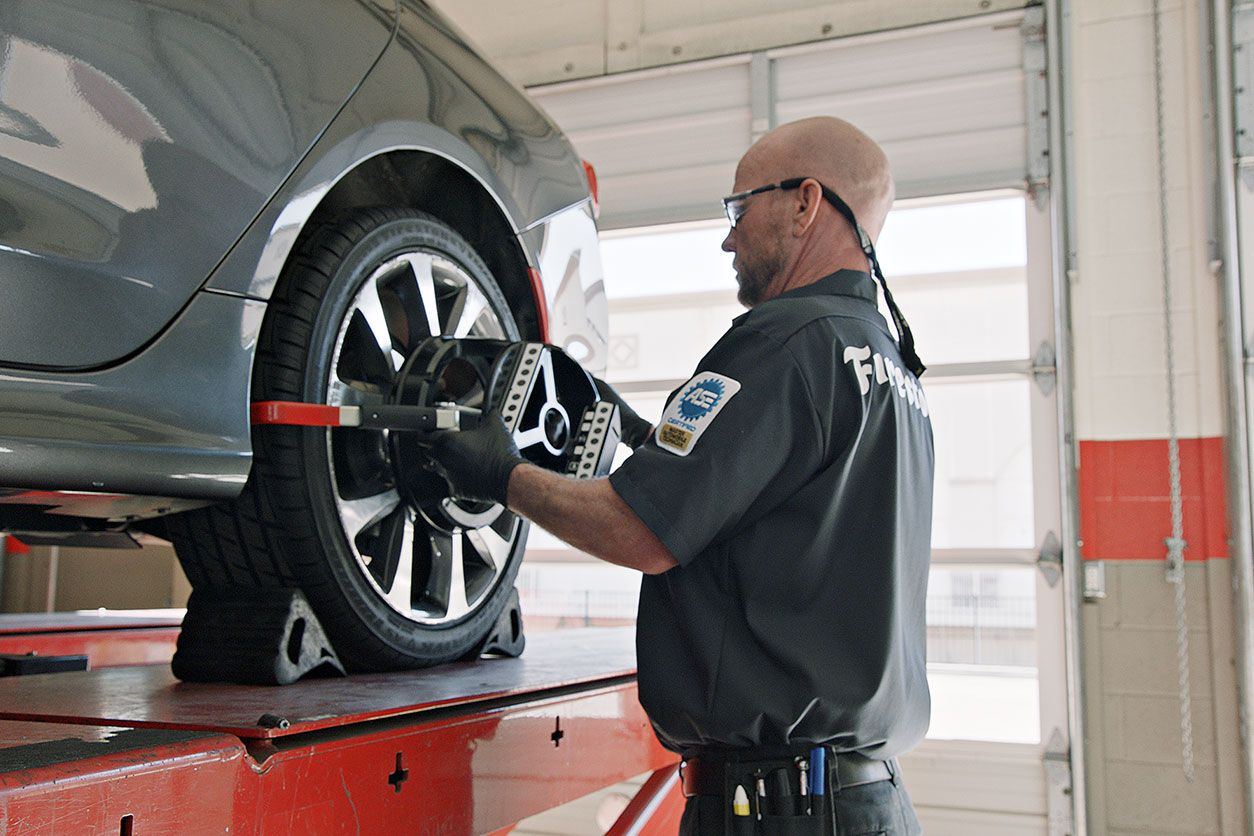
- Align and balance wheels regularly
- Avoid overloading the vehicle
- Drive smoothly and avoid harsh braking
Final Thoughts: Tyres Are Not the Place to Cut Corners
Tyres directly affect:
- Braking distance
- Steering control
- Fuel efficiency
- Overall safety
Replacing tyres on time is cheaper than dealing with accidents, repairs, or breakdowns. When in doubt, always prioritise safety.
Related Posts
Why Your Car Steering Shakes at High Speed (And What It’s Telling You)
A shaking steering wheel at high speed is more than…