This post has already been read 24 times!
The automotive industry is entering one of the biggest transformations in history. Over the next 10–20 years, cars will become cleaner, smarter, and more connected than ever before. Technology, environmental concerns, and new consumer expectations are shaping what the future of driving will look like.
While traditional petrol and diesel vehicles still dominate the roads today, the shift toward new technologies is already underway.
Electric Vehicles Will Become More Common
One of the biggest changes in the future of cars is the rise of electric vehicles (EVs). Governments and manufacturers around the world are investing heavily in electric mobility to reduce carbon emissions and dependence on fossil fuels.
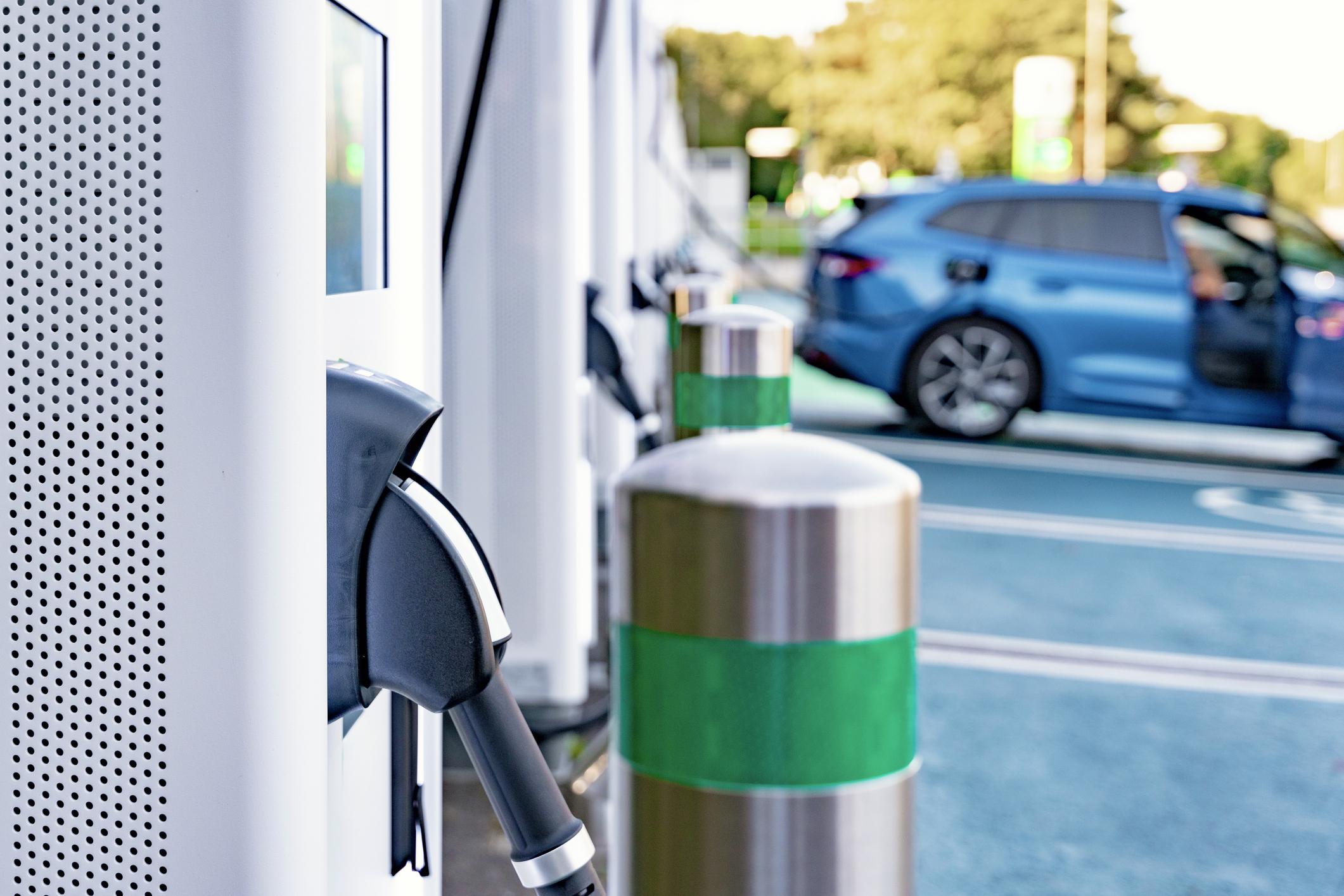
Electric cars are expected to become more affordable as battery technology improves and production increases. Charging infrastructure is also expanding quickly, making EVs more practical for everyday drivers.
Self-Driving Technology
Another major development is autonomous or self-driving cars. These vehicles use sensors, cameras, and artificial intelligence to navigate roads without human control.
Although fully autonomous cars are still being tested, many vehicles already include advanced driver-assistance features such as adaptive cruise control, automatic braking, and lane-keeping systems.
In the future, self-driving technology could make transportation safer and more efficient.
Connected and Smart Cars
Cars are becoming increasingly connected to the internet and digital systems. Future vehicles will communicate with smartphones, traffic systems, and even other vehicles on the road.
Drivers may receive real-time updates about traffic, road conditions, and nearby services. Software updates could also improve vehicle performance without visiting a dealership.
This connectivity will transform cars into smart devices on wheels.
Sustainable Materials and Energy
Car manufacturers are also exploring new materials and energy solutions to make vehicles more sustainable. Lightweight materials, recyclable components, and renewable energy sources will help reduce the environmental impact of transportation.
Hydrogen-powered vehicles and advanced battery technologies may also play a role in the future automotive landscape.
Changing Ownership Models
The future may also change how people use cars. Instead of owning a vehicle, many people may choose mobility services such as car-sharing, ride-hailing, or subscription-based transportation.
This shift could reduce traffic congestion and make transportation more flexible in large cities.
A Hybrid Future
Despite rapid technological progress, petrol and diesel cars will not disappear overnight. Many experts believe the future will involve a mix of technologies, including fuel vehicles, hybrid cars, electric vehicles, and new energy solutions.
The transition will take time, but the direction is clear: cars will become smarter, cleaner, and more advanced.
Related Posts
Why Many People Still Prefer Fuel Cars Over Electric Vehicles
Electric vehicles (EVs) are becoming increasingly popular around the world.…
Which Countries Sell the Most Cars? And Who Is Rising Fast?
The global car industry is enormous. Each year, tens of…
Nissan X-Trail with e-POWER
Hybrid Driving, Reinvented for Modern Families If you want the…